
As an Amazon Associate, we earn from qualifying purchases.
Quick Answer: Leash training a puppy takes patience, the right gear, and consistency. Start with a no-pull harness like the Rabbitgoo ($17.98), use positive reinforcement with treats, and follow a simple 7-day plan. Most puppies show major improvement by day 5.
What You’ll Need Before Starting
Before day 1, make sure you have the right gear. Using a collar for leash training puts pressure on your puppy’s neck and can cause injury — always use a harness. Here’s your essential kit:
1. A No-Pull Harness

The Rabbitgoo No-Pull Harness ($17.98, 14% off) is the best starter harness. The front clip redirects pulling naturally, and the adjustable straps grow with your puppy. If you prefer a martingale-style harness, the PetSafe Easy Walk Harness ($26.99) is another excellent option that trainers recommend.

2. A Reliable Leash

The TUG 360° Retractable Leash ($25.99) gives your puppy room to explore while keeping control with a one-handed brake. The 16 ft tangle-free tape is perfect for training — enough freedom to practice recall without losing control.
3. A Treat Pouch
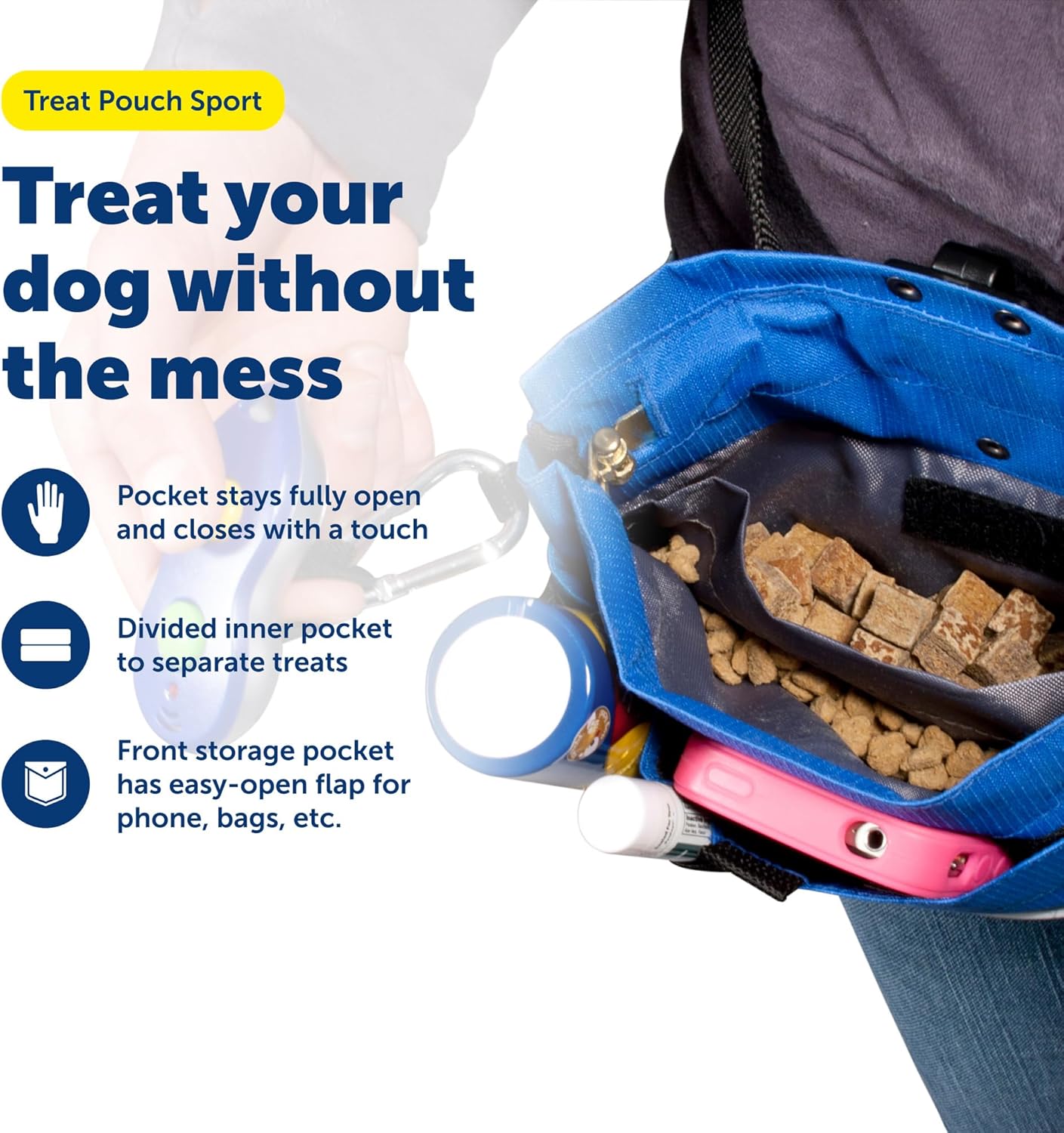
The PetSafe Waterproof Treat Pouch ($19.99) keeps treats accessible for instant rewards. Timing matters in training — fumbling through your pockets for treats means you miss the 2-second reward window. A treat pouch on your hip fixes that.
The 7-Day Leash Training Plan
Day 1-2: Get Comfortable With the Harness
Goal: Your puppy accepts the harness without stress.
Step 1: Let your puppy sniff the harness. Give a treat. Repeat 5 times.
Step 2: Drape the harness over your puppy’s back without fastening it. Treat and praise.
Step 3: Put the harness on fully. Immediately give treats and play. Leave it on for 5-10 minutes, then remove.
Step 4: Repeat 3-4 times throughout the day, gradually increasing wear time to 30 minutes.
Key tip: If your puppy freezes or tries to bite the harness, you’re going too fast. Go back a step and use higher-value treats (cheese, hot dog bits).
Day 3-4: Indoor Leash Walking
Goal: Your puppy walks beside you indoors without pulling.
Step 1: Attach the leash to the harness inside your house. Let your puppy drag it around for a few minutes (supervised) to get used to the weight.
Step 2: Pick up the leash and follow your puppy around. Don’t direct them yet — just hold the leash loosely and let them lead.
Step 3: Start calling your puppy’s name and rewarding with a treat every time they look at you or walk toward you. This builds the habit of checking in with you.
Step 4: Practice in every room. Change directions frequently and reward your puppy each time they follow your turn.
Key tip: Keep sessions to 10-15 minutes max. Puppies have short attention spans — multiple short sessions beat one long session.
Day 5-6: First Outdoor Walks
Goal: Transition leash skills to the outdoors.
Step 1: Start in a low-distraction outdoor area — your backyard or a quiet sidewalk. Avoid dog parks and busy streets.
Step 2: When your puppy pulls, STOP walking. Don’t yank the leash — just freeze. Wait for your puppy to look back at you or release tension on the leash. Treat immediately and resume walking.
Step 3: Every few steps, reward your puppy for walking beside you with a loose leash. The reward rate should be high — every 3-5 steps at first.
Step 4: Practice the “Let’s go!” cue. Say it in an excited voice, change direction, and reward your puppy for following. This becomes your redirect command.
Key tip: Outdoors has 100x more distractions than indoors. Expect regression and be patient. Bring high-value treats.
Day 7: Real-World Practice
Goal: Walk in a more stimulating environment with good leash manners.
Step 1: Walk on a regular sidewalk with moderate distractions (other people, mild traffic).
Step 2: Continue the stop-when-pulling method. By now your puppy should be catching on — most puppies show dramatic improvement by day 5-7.
Step 3: Gradually reduce treat frequency. Instead of every 3-5 steps, reward every 10-15 steps of good walking.
Step 4: Practice passing distractions. When another dog or person approaches, get your puppy’s attention with a treat BEFORE they react, not after.
5 Common Mistakes That Ruin Leash Training
1. Pulling back on the leash. This creates an opposition reflex — your puppy pulls harder. Instead, stop moving and wait.
2. Inconsistency. If you sometimes let your puppy pull and sometimes don’t, they’ll never learn. The rule must be 100% consistent — pulling never results in forward movement.
3. Sessions too long. Puppies lose focus after 10-15 minutes. Short, frequent sessions win.
4. Skipping the harness. Collars put pressure on the trachea when puppies pull. Always use a harness for training.
5. Punishing mistakes. Never yank, yell, or use choke/prong collars on a puppy. Positive reinforcement is faster AND builds trust.
Frequently Asked Questions
At what age should I start leash training?
Start at 8 weeks. Puppies are never too young for positive leash exposure. The earlier you start, the easier it is. Begin with indoor harness training and short indoor leash sessions before going outside.
My puppy sits and refuses to walk. What do I do?
This is normal — especially in new environments. Don’t drag your puppy. Instead, crouch down, show a treat, and encourage them to come to you. Make yourself exciting. Walk a few steps and reward. Build confidence gradually.
How long does leash training really take?
Most puppies show significant improvement in 7 days with consistent training. Full reliability takes 4-8 weeks of daily practice. Every puppy is different — some get it in 3 days, some need a month. The key is consistency, not speed.
Your Leash Training Gear Checklist
✅ Rabbitgoo No-Pull Harness — $17.98 (14% off)
✅ PetSafe Easy Walk Harness — $26.99 (trainer alternative)
✅ TUG 360° Retractable Leash — $25.99
✅ PetSafe Treat Pouch — $19.99
✅ High-value treats (cheese, hot dogs, or commercial training treats)
Total gear cost: under $65 for everything you need.
Related articles you might like: